Sugar Alternatives in Food Production: Safety, Labelling and Quality Considerations
Sugar alternatives in food production include sweeteners and sugar replacers used to deliver sweetness, bulk, texture or stability with different nutritional and functional effects than sugar. Their use depends on ingredient type, product format and the legal rules that govern safety assessment and on-pack claims. This article outlines key safety standards, labelling duties and quality factors, including taste, processing performance, shelf life and consumer acceptance.
Key takeaways
- Select sugar alternatives by processing role, since no substitute matches sugar in every function.
- Erythritol adds bulk and a clean taste, but can cool and will not caramelise.
- Control dosing with validated systems and documented specifications to avoid legal limit breaches.
- Segregate sweeteners from allergens and dry ingredients to reduce cross-contact and labelling errors.
- Use finished nutrition data per 100g or 100ml before making UK sugar claims.
- Rebuild recipes around lost bulk, browning, moisture control and water activity.
- Approve suppliers on specifications, batch records, change control and full traceability, not price.
Types of Sugar Alternatives Used in Food Production and Their Functional Properties
Select the sweetener by its processing role before reviewing cost or sweetness. Food production depends on bulk, browning, moisture control and aftertaste, and no single substitute matches sugar in every task.
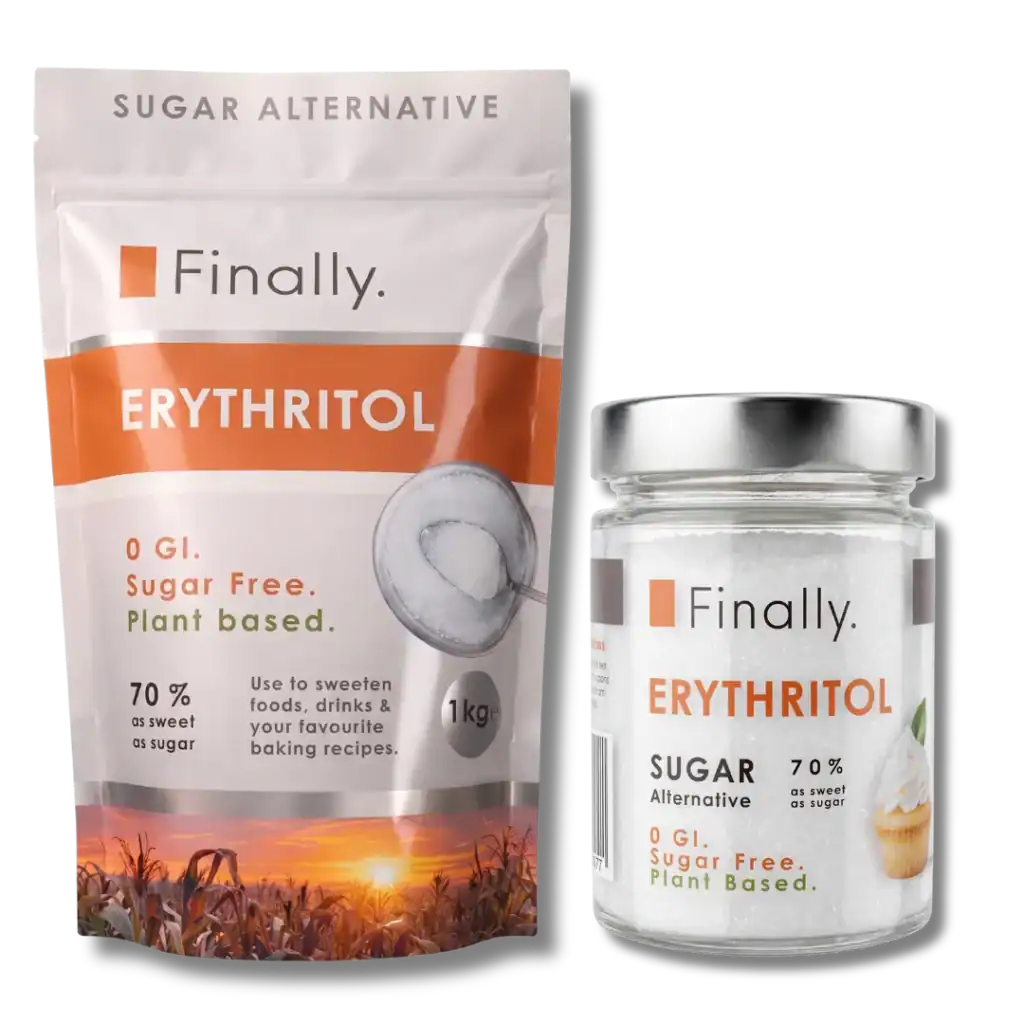
erythritol works well where a clean taste, crystalline structure and reduced sugar content matter. It adds bulk better than high-intensity sweeteners, but it can create a cooling effect and does not caramelise like sucrose. Monk Fruit provides strong sweetness at low use levels, so manufacturers often blend it with polyols or fibres to replace lost volume and improve texture.
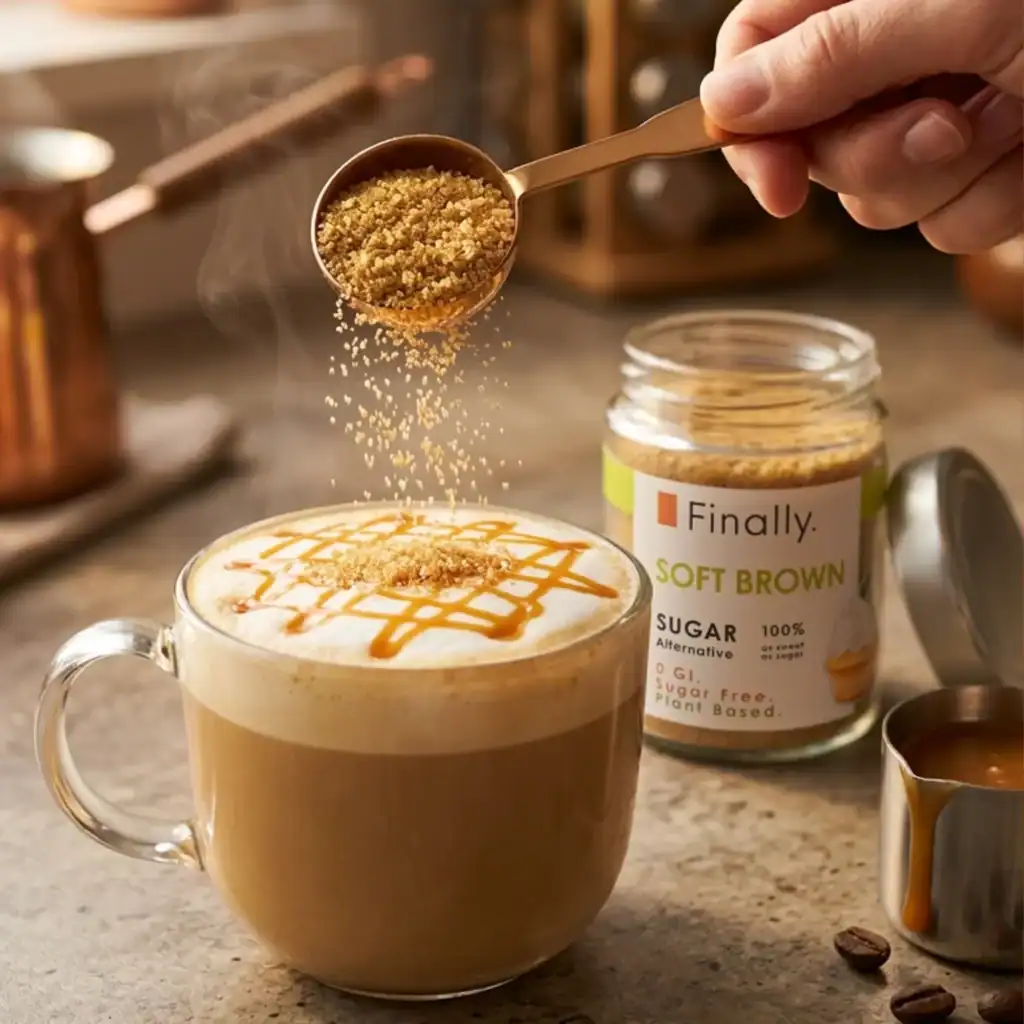
Products that need colour and a richer flavour profile often require Brown Sugar Alternatives rather than white sugar substitutes. These blends can support baking performance, flavour depth and visual appeal, but formula adjustments still affect spread, water activity and shelf life. Bench trials should check sweetness onset, stability under heat and the final ingredient declaration before scale-up.
Food Safety Considerations When Handling and Using Sugar Substitutes
Small dosing errors can push a product outside legal sweetener limits and trigger relabelling, rework or withdrawal. The safest approach is to control each substitute through documented specifications, validated dosing and clear segregation from allergens and other dry ingredients. That reduces misformulation, cross-contact and label errors before packing.
Sugar substitutes often behave differently during storage and processing. Some absorb moisture, some lose stability at high heat, and high-intensity sweeteners need tight dosing control because small variations can change sweetness and compliance. Manufacturers should verify permitted use levels and purity criteria against retained EU additives rules and review UK guidance from the Food Standards Agency.
Alternative ingredients fit best when the hazard review matches the material to the process. Polyols need careful storage and dispensing, while intense sweeteners need accurate premix systems and label checks, including any required consumer statements.
Labelling Requirements for Low-Sugar and Reduced-Sugar Products in the UK
Claim wording causes frequent compliance failures. “Low sugar”, “reduced sugar” and “no added sugar” are controlled nutrition claims in the UK, so labels must match the legal condition exactly, not approximate the message.
Start with the finished product’s nutrition data per 100g or 100ml. Under Great Britain nutrition claims rules, “low sugar” is allowed only where the product contains no more than 5g of sugars per 100g for solids, or 2.5g per 100ml for liquids. “Reduced sugar” requires at least a 30% reduction against a similar product, with any related energy change reflected where relevant. “No added sugar” cannot appear if mono- or disaccharides, or ingredients used for sweetening, have been added.
These checks sit alongside wider food information rules in Regulation (EU) No 1169/2011 and nutrition claims rules in Regulation (EC) No 1924/2006. If a product uses sweeteners, the food name must include “with sweetener(s)” or “with sugar and sweetener(s)” as required. Accurate substantiation protects compliance and buyer trust at shelf level.
Impact of Sugar Alternatives on Product Quality, Texture and Shelf Life
Replacing sugar changes more than sweetness; it can weaken texture, dull colour and shorten shelf life if the recipe is not rebuilt around those losses.
Match the substitute to the product’s main quality target first. In baked goods, check bulk, spread, crumb softness and browning after each reformulation round. In sauces, dairy and fillings, measure viscosity, water activity and phase stability, because sugar binds water and adds body. Confirm shelf life with real-time storage trials, not taste tests alone, and review moisture migration, crystallisation and flavour changes across the product’s intended life.
Common failures include copying sugar weight for weight, ignoring pH and water activity, or treating sweetness equivalence as the main rule. High-intensity sweeteners need bulking agents or fibres when sugar provides mass. Polyols can help texture, but excess may leave cooling notes or alter firmness during storage.
Sourcing Sugar Alternatives: Supplier Selection and Ingredient Traceability
Consistency improves and recall risk falls when sugar alternatives come from suppliers with stable specifications, batch records and clear change-control procedures. Approve suppliers on more than price. Check ingredient origin, manufacturing method, allergen status, contaminant limits, relevant non-GM or organic claims, and certificates. A robust file should include a specification, certificate of analysis, batch coding format and a documented route from raw material to finished pack.
Traceability must work in both directions within hours, not days. Map each sweetener lot to intake records, production runs and finished goods so any complaint, reformulation or withdrawal can be contained fast. Supplier portals and product pages can support sourcing checks before procurement approval when they present ingredient details clearly.
Frequently Asked Questions
What food safety checks should manufacturers carry out when introducing sugar alternatives into low-sugar or keto-friendly products?
Check ingredient safety, process compatibility and label compliance before launch. Verify supplier specifications, allergen and contaminant controls, microbiological stability, and any digestive tolerance risks linked to polyols or fibres.
Then confirm shelf life, sweetness consistency, water activity, and packaging performance in the finished product. Record validation, traceability and legal review for keto or low-sugar claims.
How should sugar substitutes and polyols be declared on UK food labels, including allergen, ingredient and nutrition information?
Sweeteners and polyols are not declared in the same way. List each in the ingredients by its specific name or E number, and emphasise any allergen present under UK allergen rules. In nutrition, declare polyols within carbohydrate, and include required statements such as “with sweetener(s)” and, where relevant, a laxative warning.
What handling and storage controls help maintain the stability and quality of sugar alternatives in food production?
Store sugar alternatives in sealed, moisture-resistant containers at stable, cool temperatures and away from light. This limits caking, oxidation, flavour loss and potency changes. Tight stock rotation, clean handling, and checks for humidity, odour transfer and cross-contamination help maintain batch consistency.
How do sugar alternatives affect texture, browning, shelf life and flavour in bakery, confectionery and prepared foods?
The main constraint is that most sugar alternatives do not match sugar’s bulk, moisture control or browning behaviour. In bakery and prepared foods, this can change softness, colour and shelf life. In confectionery, it can alter crystallisation, chew and flavour release, so formulators often blend sweeteners with bulking agents or fibres.
What should food businesses look for when choosing a specialist UK supplier such as Finally Keto for sugar alternatives, low-carb ingredients and keto bakery products?
Three checks matter most: product specification, compliance support and supply reliability. Choose a UK supplier that provides full ingredient data, allergen and nutrition details, batch consistency, and clear labelling guidance. For low-carb and keto lines, range depth and technical support also help protect recipe quality and claims accuracy.